
Tariff Refunds After the Supreme Court Ruling: Do Shoppers Get Any Money Back?
Importers can claim billions in refunds on struck-down tariffs. Whether any of it reaches shoppers is a separate, unsettled question.

In this article 9 sections
Importers can claim refunds on tariffs the Supreme Court struck down in February 2026, but shoppers will not receive checks. The money goes to the importer of record, the business that paid the duties. Consumers could benefit only indirectly, through lower prices or lawsuits that are still developing.
This explainer is for anyone who paid more at the register in the past year and wonders where the refund money goes. HeyUsToday covers money and policy questions in plain English, and this one separates what is settled from what is still being argued.
What Did the Supreme Court Decide?
The Court decided that a 1977 emergency-powers law does not let a president impose tariffs. According to Greenberg Traurig's summary, the 6-3 ruling on February 20, 2026, struck down tariffs under the International Emergency Economic Powers Act (IEEPA). Chief Justice John Roberts wrote that the law "contains no reference to tariffs or duties."
The ruling covered the so-called reciprocal and fentanyl tariffs on imports from most countries. It did not address how refunds would work, which is why the process has taken months to build.

The reasoning was simple. Roberts noted that no statute uses the word "regulate" to authorize taxation, and that no earlier president had read the law as giving that power. Tariffs are taxes, and Congress holds the power to tax. That is why the ruling reached so many different tariff actions at once.
How Much Money Is at Stake?
The amount is large and still uncertain. TradLinx, a trade blog, cites a tracker estimating about $166 billion in IEEPA duties across roughly 53 million entries from more than 333,000 importers. Greenberg Traurig said soon after the ruling that refunds could top $130 billion.
The numbers differ because each source counts a little differently. Some include only certain entry types, and others count by date range. What matters for readers is the scale. This is one of the largest tax-style refunds in recent U.S. history.
Not every dollar will be paid quickly. Refunds depend on how each entry was processed, and the government can appeal or change the rules.
To put the scale in context, think of it as roughly $400 per American, if the money were spread evenly across the population. It will not be, of course. The duties were paid by businesses on specific shipments, so the refund follows those shipments, not households.
Who Actually Gets the Refund?
The importer of record gets the refund. That is the company named on the customs paperwork as responsible for paying the duty. TradLinx notes that federal rules send refunds to that party, though a form can route payment to a designated payee such as a broker.
That means a store, a manufacturer, or a freight forwarder usually receives the money, not the person who bought the product. A shopper who paid $50 for an imported item never paid the government directly. The retailer paid the duty and set its own price.
Importers that absorbed the cost have the strongest claim to keep the refund. Those that raised prices may face pressure from buyers, suppliers, or distributors to share it. Greenberg Traurig notes that downstream buyers who absorbed tariff costs may have claims against importers.

How Do Importers Claim Their Money?
Importers must file a claim, and the process is rolling out in phases. As described by Beancount's October guide, Customs and Border Protection runs a tool called CAPE inside its ACE system. An importer or broker submits a declaration listing entries, and the system removes the IEEPA duties and pays by direct deposit.
Phase 3, which covers finally liquidated entries, was deployed on October 6, 2026. It is limited to plaintiffs with a pending Court of International Trade case and a court-ordered reliquidation. As of October 6, CBP had accepted 477 declarations covering more than 425,000 entries.
Direct deposit is required. TradLinx reports that refunds fail without enrollment, and that more than 7,700 had already failed for that reason by late March. Most small importers are not yet covered by Phase 3 and follow standard rules for other entries.
Can Shoppers Get Any of It?
Possibly, but not directly. Law firms have started filing consumer class actions that argue tariff costs passed on to shoppers should be returned. TradLinx says companies that publicly tied price increases to tariffs face particular exposure.
These cases are new, and the legal theories are untested. Greenberg Traurig's authors say claims based on unjust enrichment, deceptive practices, or price gouging may not succeed. A court could decide that a retailer's prices reflected many costs and that no single one can be traced back to a refund.
A more realistic benefit is slower price growth. If importers' costs drop, competition may push some prices down over time. That effect is hard to measure, and it competes with other cost pressures. Our look at why grocery prices still feel high shows how many forces move shelf prices at once.
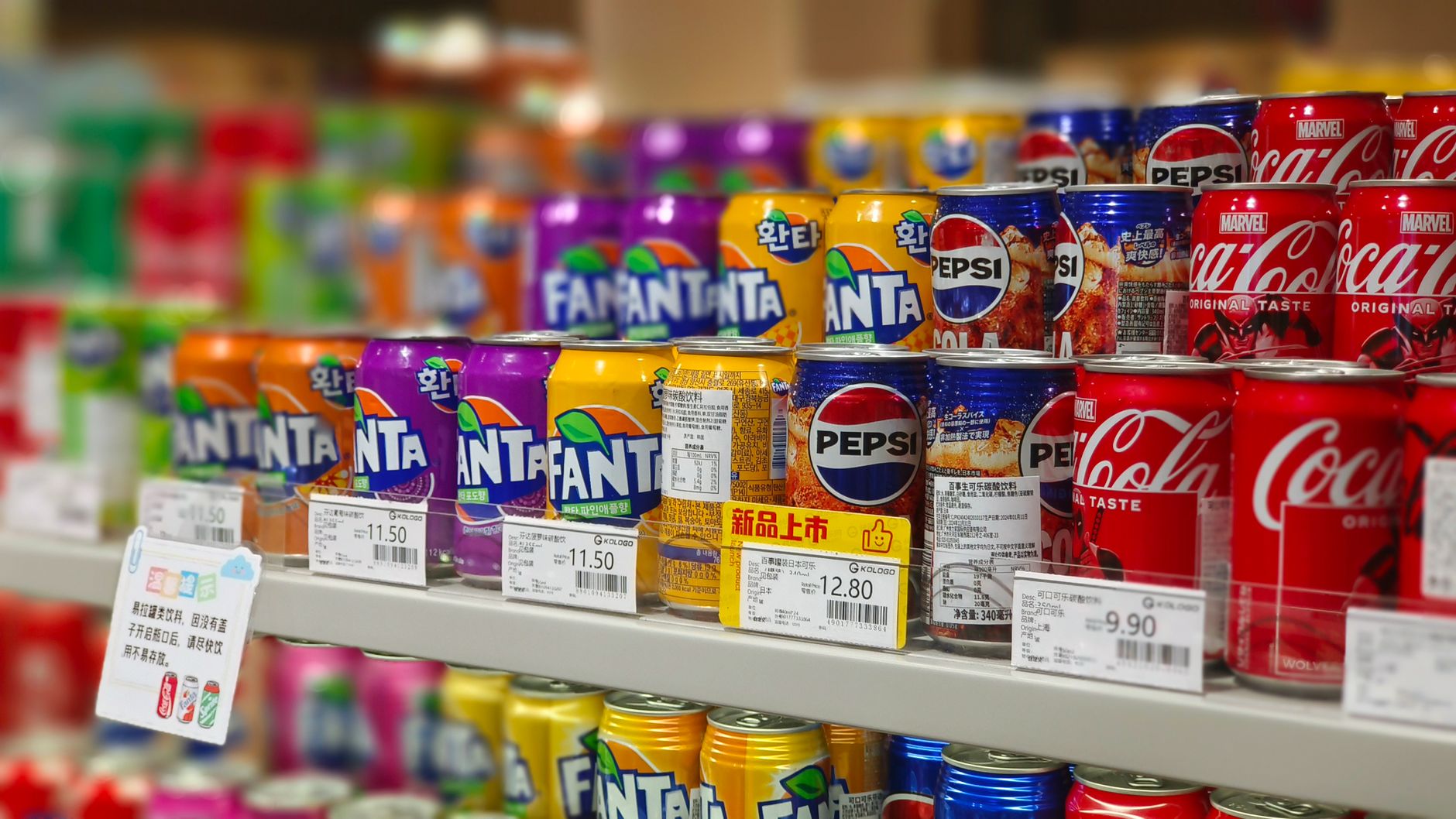
There is a fairness argument on both sides. Shoppers say they paid higher prices and deserve some of the money. Retailers say their prices reflect many costs, including rent, wages, and freight, and that tariffs were one of many inputs. Courts will have to decide whether any link is strong enough to order repayment.
Some companies may choose to act without a court order. A retailer that told customers prices rose because of tariffs could offer credits or lower prices as a goodwill gesture. So far that is speculation, but it is worth watching for announcements from large chains in the coming months.
Are Tariffs Actually Going Away?
No. Many other tariffs remain. Greenberg Traurig lists Section 232 duties on steel, aluminum, autos, and other goods, along with Section 301 duties on Chinese products in place since 2018. Beancount adds that new Section 301 duties of 10% or 12.5% began July 24, 2026, on goods from 60 economies.
The same guide says a 10% Section 122 surcharge ran from late February to late July and was ruled unlawful by the Court of International Trade on May 7 before it expired. In short, one set of tariffs ended and others took its place.
That is why the refund story and the price story are separate. Even as importers get money back for old duties, they still pay new ones. Our piece on September 2026 inflation shows prices still rising for households.
What Should Shoppers Do Now?
Keep expectations modest and your records tidy. You will not get a government check, and a class action payout, if one ever comes, would likely be small. Still, a few habits make sense:
- Save receipts for large purchases of imported goods made since early 2025.
- Watch for notices if you are part of a class action against a retailer you used.
- Compare prices before buying, since refunds may let some stores cut prices.
- Be wary of anyone who offers to file a refund claim for you for a fee.
That last point matters. Scammers follow headlines. Consumers are not eligible to file claims with Customs and Border Protection, so any offer to do so is a red flag.

Small business owners are in a different position from shoppers. A shop that imported goods directly and paid duties may be entitled to a refund, but it must act. Ask your customs broker whether your entries qualify, and gather records of duties paid. Missing the paperwork or the direct deposit enrollment can delay money that a business already earned.
It also helps to keep the long view. Tariff policy has changed many times in the past two years, and it may change again. A refund today does not guarantee lower costs next year. If you are planning a big purchase, such as an appliance or a laptop, compare prices across several stores rather than waiting for a refund-driven drop that may never come. Our look at Black Friday 2026 forecasts shows what retailers expect this season.
What Happens Next?
The next steps are procedural. Beancount reports that CBP's comment period on its refund framework closes November 4, so the rules may change. Courts will also keep deciding who owns refunds when an importer passed costs down the chain.
HeyUsToday's editors will watch three things: how fast refunds actually reach importers, whether any consumer class action survives a motion to dismiss, and whether retailers cut prices in response. Each one will tell us more about whether shoppers see any benefit.
Conclusion
The Supreme Court's ruling created a large refund for importers, but not for shoppers. The money follows the customs paperwork, which names the importer of record. Any benefit to consumers will come through lawsuits or slow price changes, and neither is guaranteed.
Your next step is simple. Keep receipts, ignore refund-filing offers, and watch your favorite retailers for price changes. HeyUsToday will report on any case that changes the picture.