
Why Chip Stocks Lost $1.6 Trillion in Weeks, and What It Means for Your 401(k)
A debt scare around AI data centers shook chip stocks in October. Here is what happened and how it can reach a retirement account.
In this article 6 sections
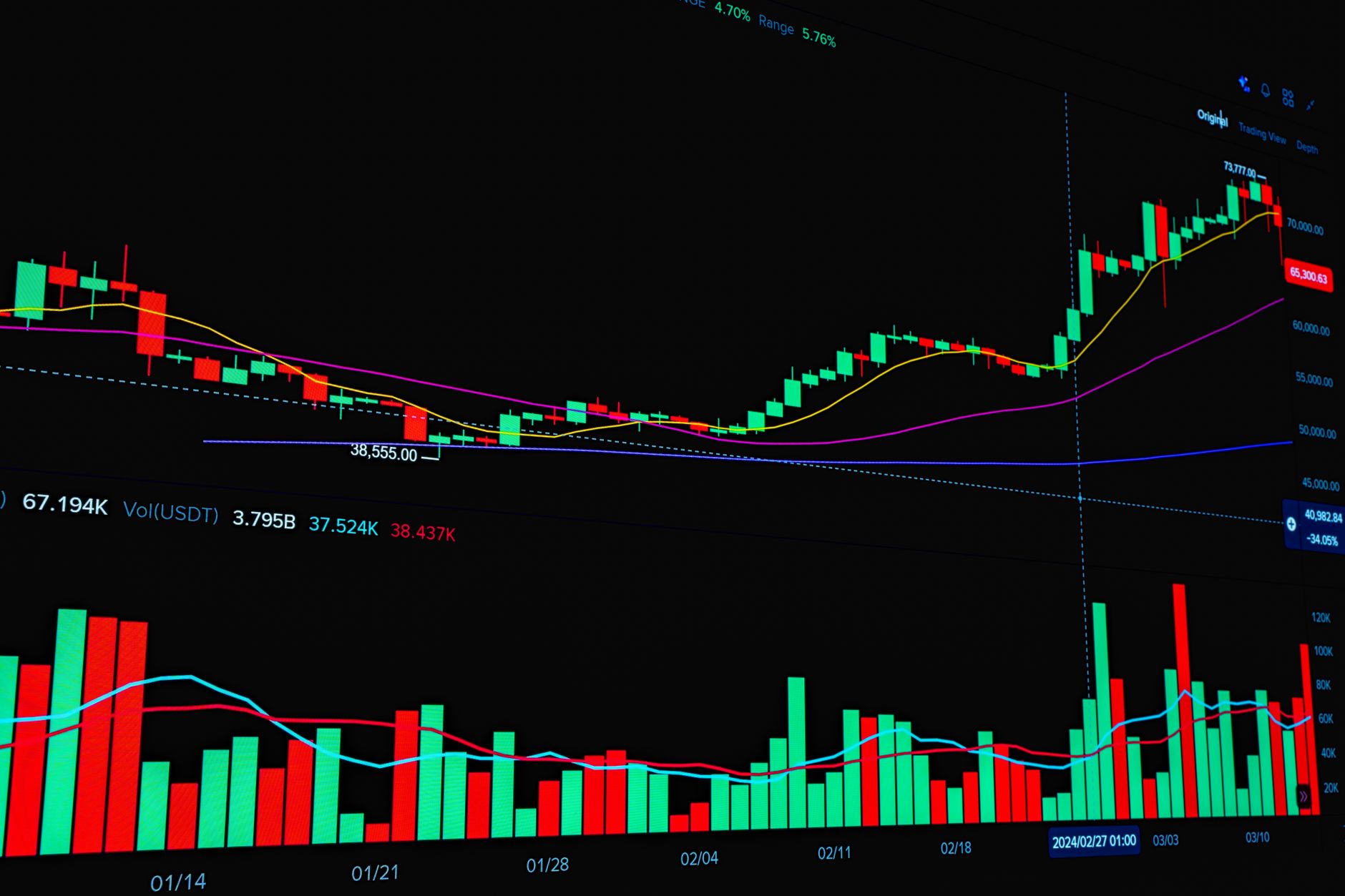
The Philadelphia Semiconductor Index lost more than $1.6 trillion in market value over six trading sessions in mid-October 2026, an 11.6% slide, according to Reuters. Worries about how AI data centers are financed set it off. If you own a broad index fund, you own part of that risk, and a few simple checks can show how much.
Headlines about trillions of dollars vanishing can feel remote, until you remember that most retirement accounts hold the same companies. HeyUsToday translates money and technology news into plain English, and this explainer covers what happened to chip stocks, why one debt-laden company became the focus, and how the swing reaches an ordinary 401(k).
It is written for workers and retirees with index funds or target-date funds. It is general information, not investment advice.
What Happened to Chip Stocks in October?
Chip stocks fell fast. Reuters' report on CoreWeave's slump, syndicated by Capital.com, says the Philadelphia Semiconductor Index lost over $1.6 trillion in market value, an 11.6% slide across six sessions, and the Nasdaq fell more than 3% over the same stretch.
The losing streak did not stop there. A BigGo Finance market report says the index closed up 1.61% on Monday, October 19, ending an eight-session losing streak. That report puts the cumulative decline above 13% and the market value erased at about $2 trillion, a larger figure than the Reuters number for the earlier six-day window.
Context matters here. The same report says the index was still about 59.8% higher for the year, even after falling about 22.8% from its 52-week high. A sharp drop after a big run looks different from a drop after a long decline.
The totals differ between sources because they count different windows. The $1.6 trillion figure covers six sessions, and the $2 trillion figure covers eight. Treat the exact numbers as approximate, since market data from aggregators can vary.
Why Did One Company Become the Focus?
The focus fell on CoreWeave because it shows what happens when AI growth is financed with borrowed money. CoreWeave rents out computing power for AI work, and Reuters reports it carries about $50 billion in debt and is loss-making. Companies like it are called neoclouds, a nickname for newer cloud providers built around AI chips.
Its shares fell more than 15% on a Wednesday and kept sliding. Bonds it issued in April, due in 2031, yielded over 16%, a level that typically signals distress. A yield is the return an investor demands for holding a bond, so a high one means lenders see more risk.
Credit default swaps on CoreWeave's debt, a kind of insurance against nonpayment, cost around 1,000 basis points. Reuters says that implies a nearly 63% chance of default within five years, up from about 30% a year earlier. That is a market estimate, not a prediction of what will happen.
There are reassuring facts too. Nvidia will buy any unsold CoreWeave capacity through April 13, 2032, according to the same report. CEO Mike Intrator said in an internal memo that the company's backlog more than covers its debt obligations and that markets can misunderstand and act irrationally.
The BigGo report adds that Goldman Sachs upgraded CoreWeave to Buy and that JPMorgan estimates large banks' exposure at $1 billion to $3 billion, backed by substantial collateral. Analysts disagree about how serious the risk is.
A basis point is one hundredth of a percentage point, so 1,000 basis points equals 10 percentage points. In this case, it means insuring CoreWeave's debt costs the equivalent of 10% of the amount insured per year. That is a very high price, and it is what made headlines.
It also helps to know why this matters outside one company. If lenders get nervous about one AI borrower, they may charge more to every similar borrower. Higher borrowing costs can slow data center construction across the industry, which affects the chip makers that sell to those projects.
Is the Problem That People Do Not Want AI?
No. The worry is about how the build-out is paid for. Axel Rudolph of IG Group told Reuters that the market is waking up to the fact that AI demand and a profitable business model are two very different things. He noted that investors seem to be questioning how the build-out is funded, not a collapse in demand for AI computing.
The numbers are huge. Reuters says U.S. tech giants are expected to spend more than $700 billion this year on AI build-outs. Data centers need chips, buildings, and power, and much of that is bought upfront. Revenue arrives later.
Forecasts add to the unease. Gartner, as cited by Reuters, says about 80% of neoclouds could shut down by 2030 and that more than $3.5 trillion in AI infrastructure spending could face impairment if providers keep investing at the current pace. Impairment means writing down an asset because it is worth less than expected.
Those are forecasts, not facts, and forecasts about new industries often miss. They explain why investors are asking harder questions. For a look at how AI tools have settled into everyday life, see our piece on how AI chatbots fit into daily life in 2026.

How Does This Reach Your Retirement Account?
It reaches your account through index funds, which hold stocks in proportion to their size. The biggest companies carry the most weight, and the biggest companies are tied to AI. As of the June 2026 filing, ChartRow's S&P 500 concentration data shows the ten largest stocks at 37.9% of the index, up from 22.8% in September 2019.
NVIDIA alone is 7.52% of the index in that data, followed by Apple at 6.59% and Alphabet at 5.84%. Broadcom and Micron, both chip companies, are in the top ten too.
Here is a simple illustration. If you hold $100,000 in an S&P 500 index fund, about $37,900 sits in the ten biggest companies, and about $7,520 sits in NVIDIA. If those ten stocks fell 10%, you would lose about $3,790 from them alone. That is a hypothetical, and the real result depends on how each stock moves.
Your exposure may be larger or smaller than that. Target-date funds, which shift toward bonds as you near retirement, hold less stock the closer you get. Growth funds and technology funds hold more. Check your fund's fact sheet for its top holdings.
If you are still deciding how much to put away, our guide to what changed for retirement savings limits in 2026 covers the contribution side.

What Should an Ordinary Investor Do Now?
For most people with decades to go, the answer is to avoid reacting to a single bad week. Large drops happen, and they are often followed by recoveries, though nobody can promise that. What matters more is whether your plan fits your timeline.
These checks take about an hour and do not require predicting anything:
- Look up the top ten holdings in each fund you own, and note how much is in big tech.
- Compare your stock-to-bond mix with the mix you chose, since a rally can push it out of balance.
- Confirm how many years until you need the money, and match your risk to that timeline.
- Keep an emergency fund in cash, so you never have to sell stocks after a drop.
- Avoid changing contributions out of fear, and consider whether a professional can review your plan.
People within a few years of retirement face a different problem. A big loss near the start of retirement can do lasting damage, because withdrawals lock in the lower prices. If that describes you, a conversation with a fee-only adviser is worth the cost.
Debt costs matter in your own budget as well. The same logic that stressed CoreWeave, a heavy debt load at high rates, applies to households. Our explainer on why credit card interest rates are so high covers how borrowing costs shape everyday decisions.
What to Watch Next
Three things deserve attention in the coming weeks. First, whether chip stocks keep stabilizing after the October 19 bounce. Second, whether lenders to AI infrastructure companies tighten terms. Third, upcoming earnings reports, which will show how much of the AI spending is turning into revenue.
It is also worth remembering that stock markets have always moved in waves around new technology. Some companies that looked fragile recovered, and some did not. Spreading your money across many companies and asset types is the simplest way to avoid betting your retirement on any single outcome.
The key point for ordinary readers is that a drop in a stock index is not the same as a loss in your account until you sell. At HeyUsToday, our editors will keep explaining the story as it develops. Your next step is to look up the top ten holdings in your largest fund.
Reviewed by HeyUsToday editorial team on October 21, 2026. This article is general information, not personalized investment advice. Consider consulting a qualified financial professional about your situation.