Halloween 2026 Is Headed for a Record $13.5 Billion: Where the Money Goes
Americans plan to spend more on Halloween than ever, but they are shopping earlier and comparing prices. Here is what the numbers show.
In this article 7 sections
Americans are expected to spend a record $13.5 billion on Halloween in 2026, up from $13.1 billion last year, according to the National Retail Federation. Average spending is about $115 per person. The number looks big, but shoppers are comparing prices, reusing costumes, and buying earlier to keep the bill under control.
Halloween used to be a children's holiday with a bag of candy and a cardboard mask. It is now a multibillion-dollar season with its own shopping calendar. HeyUsToday follows the trends people are actually talking about, and this feature looks at where the 2026 Halloween money goes, why the total keeps climbing, and what the numbers say about how Americans spend when prices are high.
It is written for anyone who buys candy, costumes, or decorations, and for anyone curious why a spooky holiday has become a business story.
What Does the 2026 Halloween Forecast Say?
The NRF's 2026 Halloween survey projects total spending of $13.5 billion, up from a record $13.1 billion in 2025. Average spending per person is $115.14, up slightly from $114.45 last year. About 74% of consumers plan to celebrate, compared with 73% in 2025 and 68% in 2019.
The survey, run by Prosper Insights and Analytics, asked 7,889 consumers between September 1 and 9. Its margin of error is 1.1 percentage points. The NRF has run the survey every year since 2005.
The most popular activities are handing out candy at 61%, dressing in costume at 50%, and decorating, carving pumpkins, and watching scary movies at 42% each. Greeting cards are a smaller category at about $800 million, with 42% of people planning to buy them, up from 38%.
Allison Zeller, an NRF vice president, said consumers continue to make Halloween a spending priority but are approaching the season with affordability in mind. That last phrase is the key to the story.
Why Is Halloween Spending Rising When Prices Are High?
Halloween spending is rising partly because prices are higher and partly because more people are taking part. The 3.82% gain is not adjusted for inflation, according to Talk Business & Politics' coverage, so some of the increase is simply costs going up.
The same report notes that consumer prices rose from 1.7% at the start of fall 2019 to more than 3.4% heading into fall 2026. Halloween spending is up more than 68% since 2019 on the NRF's figures, again without an inflation adjustment. Prices explain a good part of that, but not all of it.
Here is the history, using the totals reported by Talk Business.
| Year | Projected spending | Change from prior year |
|---|---|---|
| 2019 | $8.08 billion | Not given |
| 2021 | $10.1 billion | +25.46% |
| 2023 | $12.2 billion | +15.09% |
| 2024 | $11.6 billion | -5.17% |
| 2025 | $13.1 billion | +12.93% |
| 2026 | $13.5 billion | +3.82% |
The path is not a straight line. Spending fell 5.17% in 2024 before rebounding. Growth in 2026 is much slower than last year's 12.93%, which fits the affordability theme.
Shoppers say as much. If prices are higher than expected, 31% would comparison shop and 26% would look for coupons or sales. Another 34% say they would buy items they can reuse or repurpose.
What Is Happening With Candy Prices?
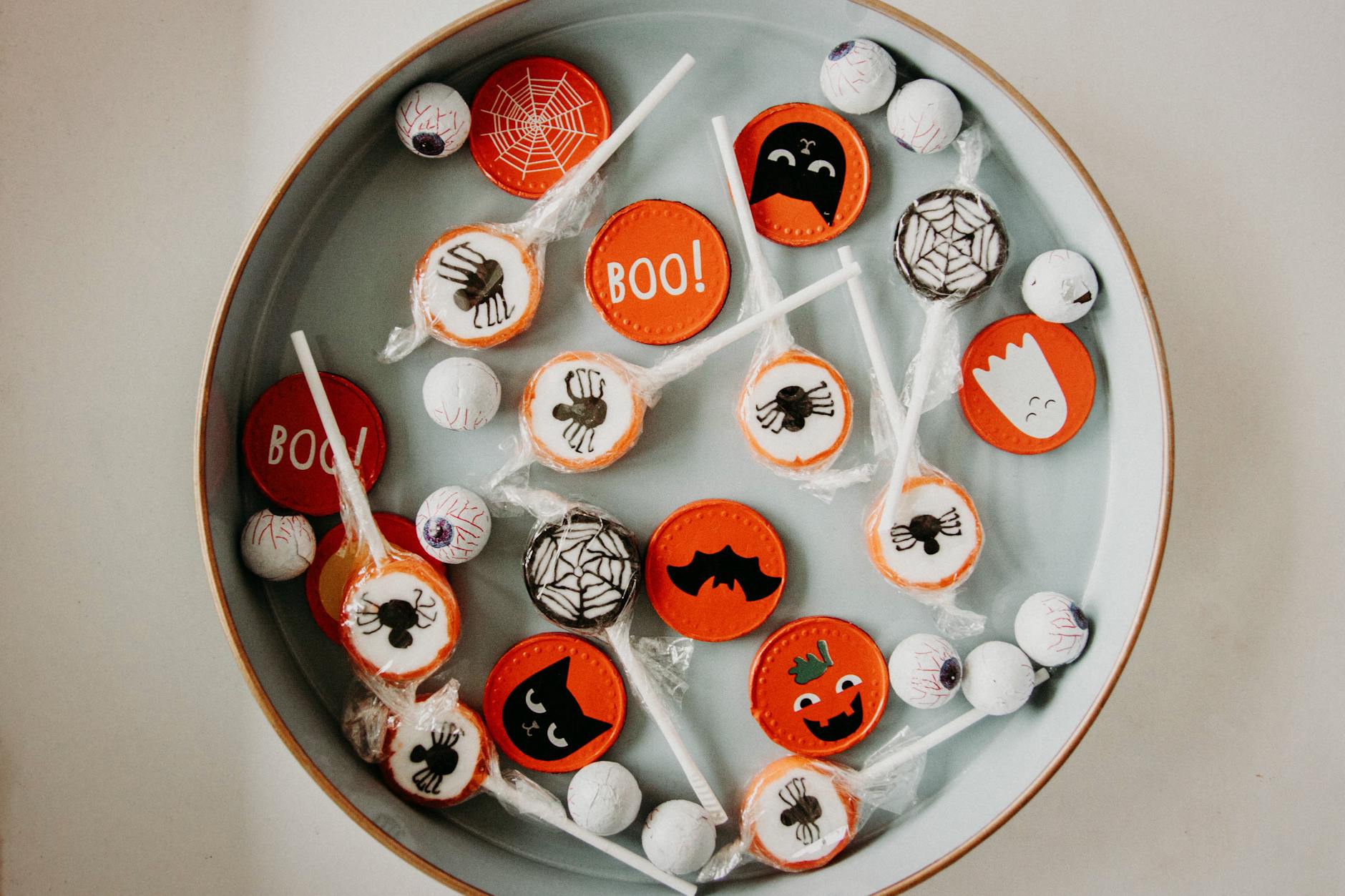
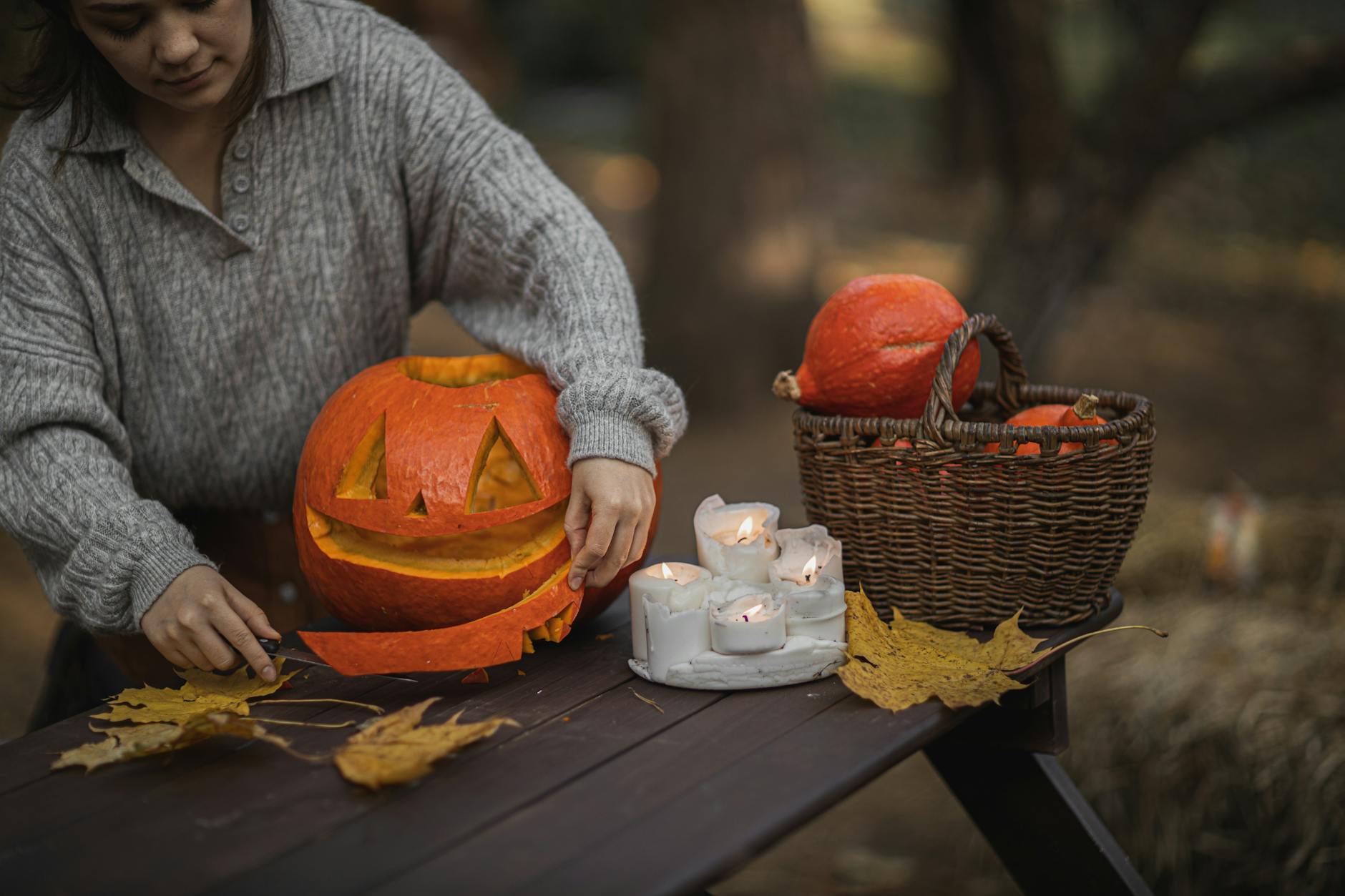
Candy is the one category that nearly everyone buys, and it is also where price pressure shows up most. NRF says 96% of consumers plan to buy sweets, for a total of $4.1 billion. That makes candy the most widely purchased Halloween item, even though costumes and decorations carry larger totals.
Talk Business reports several price points from other outlets. Hershey's milk chocolate bags cost $3.99 six years ago and $8.29 at this past Easter. A 55-piece bag of Reese's costs $29, up more than 50% since 2020. Bankrate economists say 2026 candy budgets buy about 40% less candy by weight than in 2020.
Cocoa is a big part of the story. Reporting from 2025 found that cocoa prices had more than doubled since early 2024, and that it takes months for lower futures prices to reach store shelves. That background is from last year, so treat it as context, not a 2026 price.
The reaction is predictable. Candy makers are not lowering prices, the same coverage says, though some retailers offer temporary coupons or rollbacks. Shoppers are trading down to bigger bags of cheaper candy or splitting a budget across more stores. We looked at this squeeze more broadly in why grocery prices still feel high.
How Big Is the Costume Economy?
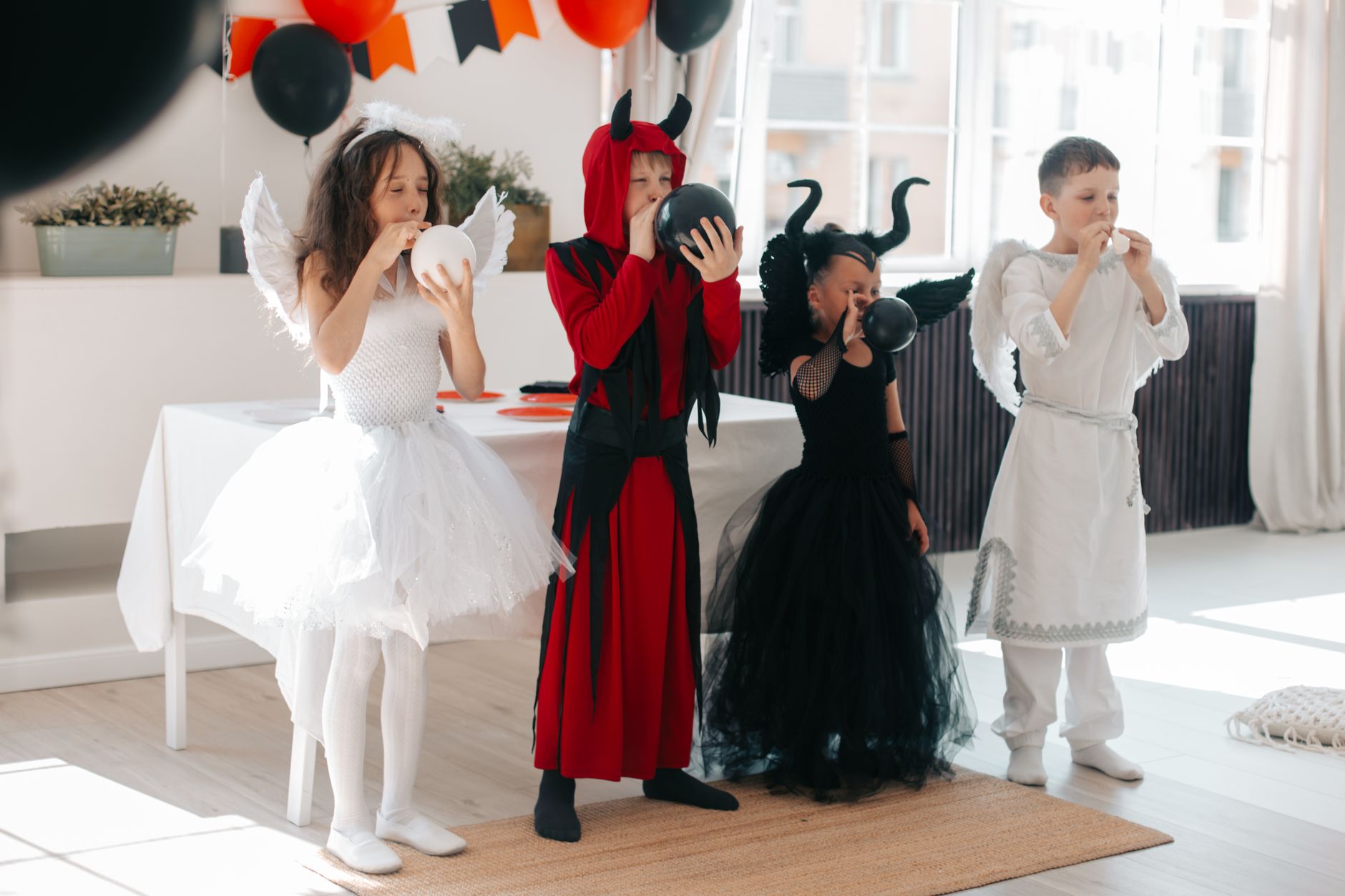
The costume economy is the biggest piece of Halloween, at $4.4 billion, and 71% of shoppers plan to buy something. Children's costumes account for about $1.5 billion, adult costumes about $2 billion, and pet costumes about $920 million, according to the NRF.
Popular choices tell their own story. For children, the top costumes are Spider-Man at 4.6 million, a generic superhero at 2.3 million, and a princess at 2.2 million. Adults most often pick a witch at 4.8 million, a vampire at 4.2 million, and Batman at 2 million. Among pets, a pumpkin leads at 11.6%, followed by a hot dog at 5.9%.
The way people find ideas is changing. Online searches are still the top source of costume inspiration at 32%, but that is down from 37% last year and the lowest in a decade. Retail stores and costume shops are second at 26% for costumes and first at 31% for decorations.
AI is the new factor. About 47% of consumers use AI tools for Halloween shopping, mainly for brainstorming ideas at 34% and product recommendations at 32%. Our look at how AI chatbots fit into daily life shows how quickly that habit has spread beyond work.
There is a growing secondhand angle too. A costume worn once is a hard purchase to justify, and swaps, thrift stores, and rentals have grown with the broader resale trend. Our explainer on the secondhand fashion boom covers that movement.

When and Where Are People Shopping?
People are shopping earlier and at a mix of stores. About 49% plan to start in September or earlier, roughly the same as last year and up from 34% in 2016. Early shoppers cited enjoying fall at 42%, Halloween being a favorite holiday at 34%, spreading out the budget at 23%, and good prices at 21%.
Discount stores are the top destination at 39%, followed by specialty Halloween and costume stores at 32% and online at 27%. Local and small businesses drew 13% of shoppers, up from 7% in 2016.
Spreading out the budget is a quiet but telling reason. Shopping early lets households buy a few items at a time instead of paying for everything at once. It also lets them catch sales and avoid the last-week premium on popular costumes.
Pets deserve a mention. Pet costumes are a $920 million category, and the pumpkin outfit leads the list. It is a small slice of the total, but it shows how far the holiday has spread into households that have no trick-or-treaters at all.
Taken together, the survey describes a holiday that has become a seasonal habit more than a one-night event. People decorate for weeks, shop across several stores, and spread spending over September and October. That pattern helps retailers plan inventory, and it helps households smooth out costs.
How to Spend Less Without Skipping the Fun
You do not need to give up the holiday to control the bill. Small choices make a measurable difference.
- Set a total budget before you shop, and divide it among candy, costumes, and decorations.
- Reuse or swap costumes, and check thrift stores before buying new.
- Buy candy in bulk, and compare the price per ounce rather than per bag.
- Shop decorations at discount stores, and favor items you can store and reuse.
- Check for coupons and store rollbacks, especially in the last two weeks.
The price-per-ounce habit matters most for candy, where bag sizes shrink while prices stay the same. A simple comparison takes seconds and can save a few dollars per bag.
Local businesses are a small but growing part of this. Their share of shoppers nearly doubled from 7% in 2016 to 13% this year. Pumpkin patches, neighborhood costume shops, and craft fairs benefit from shoppers who want something different from the big-box aisle, and from those who want to support a nearby store.
What Halloween Says About How We Spend Now
Halloween is a useful snapshot of American spending. The holiday keeps growing in participation, and shoppers keep spending, but they are more deliberate about how. They plan earlier, compare prices, and favor things they can use again.
That fits a broader pattern of consumers who still spend on experiences and traditions but watch the total closely. At HeyUsToday, our editors will keep following how these habits carry into the holiday season. Your next step is to set a Halloween budget before the last-minute rush.